

Small Business Marketing Playbook: Practical Digital Tactics to Grow Your Local Footprint
Competition is fierce, and small businesses win by using focused, practical marketing, not by hoping for luck. This guide walks through digital tactics that produce real results for local businesses: how to improve online visibility, attract the right customers, and turn interest into sales. We know time and money are limited, so the steps below are straightforward, repeatable, and cost-effective. You’ll find clear actions for defining your audience, building a simple marketing plan, local SEO, paid options, social media, and content that converts.
Define Your Target Customer and Your Unique Value

Knowing who you serve is the first marketing decision you should make. Your target audience is the group most likely to need what you offer, and once you know them, every message, channel, and promotion becomes more effective. Your unique value proposition (UVP) then says plainly why customers should pick you, using clear benefits, not jargon.
Steps to Identify Your Ideal Customer
Follow these practical steps to build a usable customer profile:
- Map basic demographics: Record age ranges, typical incomes, neighborhoods, and relevant lifestyle details.
- Ask your current customers: Short surveys or quick conversations reveal why people buy and what they value.
- Study the competition: Note who they target and spot gaps you can own.
These steps give you a clear picture to guide messaging, offers, and where to focus your marketing time and budget.
Create a UVP That Actually Connects
Make your UVP short, specific, and testable:
- List what makes you different: Services, guarantees, speed, or any experience competitors can’t easily copy.
- Lead with the benefit: Say the customer outcome first, then explain how you deliver it.
- Test and refine: Try variations in ads or on your homepage, measure response, and iterate.
A clear UVP helps you attract the right customers and keeps messaging consistent across channels.
What Belongs in a Small Business Marketing Plan?
A tight, focused marketing plan keeps your efforts from scattering. Your plan should align with business goals and the customer profile you just built.
- Set SMART goals: Be specific, measurable, and time-bound so you can track progress.
- Choose target segments: Focus where you have the best chance to win instead of trying to reach everyone.
- Match budget to channels: Spend where you can measure returns, then scale what works.
These basics turn ideas into a repeatable process that fuels steady growth.
How to Set SMART Goals and KPIs for Growth
Use SMART to make goals actionable:
- Specific: Define exactly what success looks like.
- Measurable: Pick numbers you can track (visitors, leads, bookings).
- Achievable: Choose targets that push you but are realistic.
- Relevant: Tie goals to revenue or customer metrics.
- Time-bound: Give each goal a clear deadline.
With clear KPIs you’ll see which tactics move the needle and which to drop.
Which Marketing Strategies to Prioritize?
For many local businesses, these three balance reach and ROI best:
- Content marketing: Publish helpful pages and posts that answer customer questions and show your expertise.
- Social media: Post community-focused content and run targeted ads where your customers spend time.
- Email marketing: Nurture contacts with timely offers and useful updates to create repeat customers.
Start small, measure results, and scale the channels that consistently convert.
How Local SEO Helps People Find Your Business
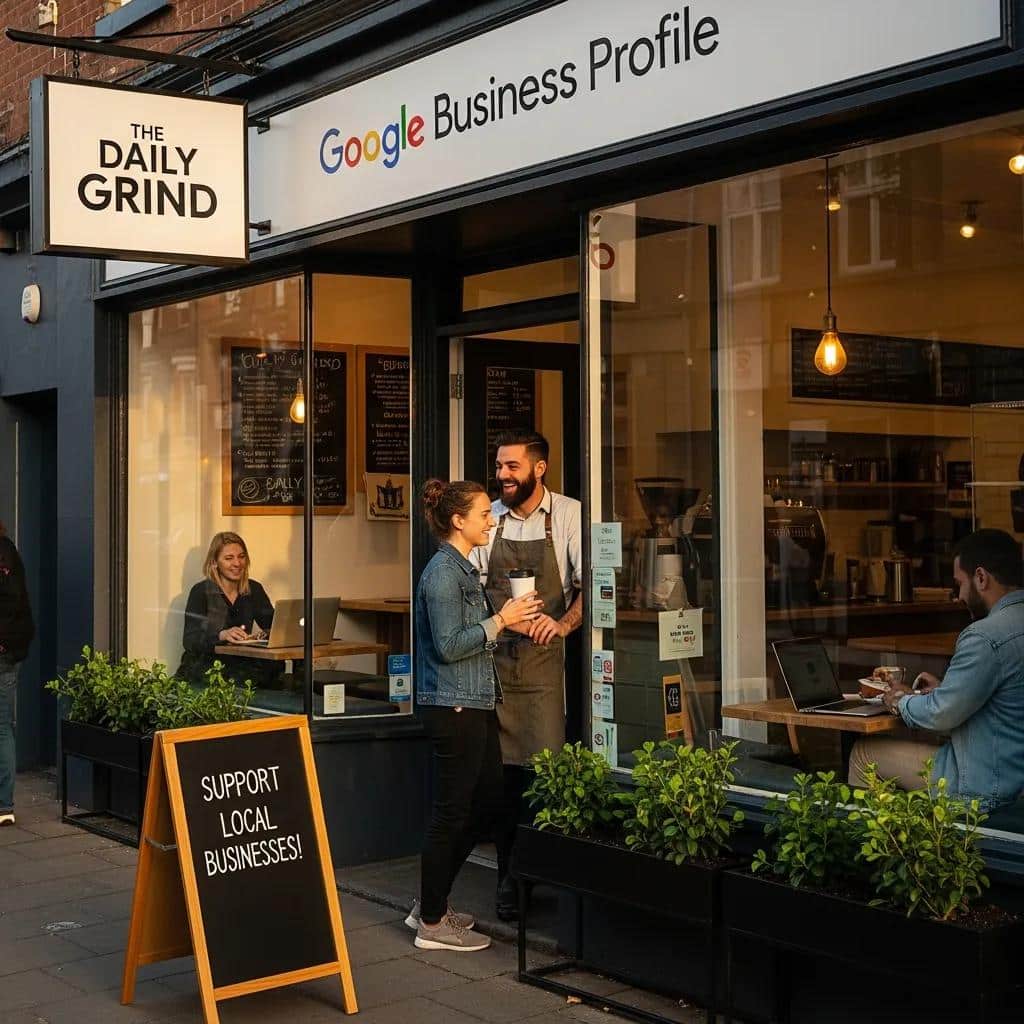
Local SEO targets the searches people make when they need a nearby product or service. Done well, it places your business in front of customers who are ready to buy, on Google Maps, in local search results, and across directories.
Research shows micro and home-based businesses often face limited market access and lower digital literacy; targeted SEO and Google Business tactics help bridge that gap.
SEO & Google Business for Micro-Businesses: Strengthening Local Presence
Limited market access and lower digital literacy create real barriers for micro-businesses in underserved areas. Community programs that teach Search Engine Optimization (SEO) and Google Business Profile management help these businesses promote themselves more effectively online.
Optimize Your Google Business Profile for Local Searches
Make your Google Business Profile earn clicks with a few simple steps:
- Claim and verify the profile: If you don’t control it, you don’t own the listing.
- Keep details accurate: Make sure name, address, phone, hours, and categories are correct.
- Ask for reviews: Encourage satisfied customers to leave reviews and reply promptly to feedback.
Small updates here often lead to noticeable gains in local visibility and clicks.
Key On-Page SEO Tactics for Local Businesses
On-page SEO helps search engines match your site to local searches. Focus on:
- Smart keyword use: Include local intent keywords naturally in headings and copy.
- Relevant, helpful content: Answer common local questions and add clear calls to action.
- Meta tags that convert: Write meta titles and descriptions that match search intent and increase clicks.
Consistent on-page work makes local ranking gains more reliable over time.
Which Digital Ads Work Best for Small Businesses?
Paid channels give control and speed. Pick formats based on your goals: awareness, leads, or immediate sales.
- PPC (search) ads: Capture people already searching for what you offer.
- Social ads: Target by interest, behavior, and location on platforms like Facebook and Instagram.
- Display ads: Build awareness with visual placements across relevant sites.
Test small budgets, measure cost per lead, and scale what performs best.
Using Google Ads to Drive Qualified Leads
Improve Google Ads performance by focusing on three things:
- Keyword research: Choose terms that show clear purchase or service intent.
- Precise targeting: Combine geographic and demographic filters to reach local buyers.
- Ad extensions: Use sitelinks, call buttons, and location info to boost CTR.
These steps increase relevance, reduce wasted spend, and lift conversion rates.
Local Services Ads (LSAs): What They Do for Local Leads
Local Services Ads are built for service providers and appear at the top of searches. Why they matter:
- Pay per lead: You only pay when a customer contacts you.
- Premium placement: LSAs show above regular search ads for trusted local services.
- Verification trust: Google’s screening adds credibility with customers.
For many local service businesses, LSAs are a high-ROI source of qualified leads.
How to Use Social Media to Grow Locally
Social channels let you build relationships with local customers, promote offers, and share what makes your business unique.
Best Platforms for Local Businesses
Choose platforms that match your customers and the content you can create:
- Facebook: Strong for community engagement, events, and local ads.
- Instagram: Great for visual storytelling, offers, and product shots.
- LinkedIn: Useful for professional services and B2B connections.
Focus where your audience spends time and where your content will stand out.
Build an Engaging Social Content Plan
Keep social consistent and useful with these steps:
- Create a simple calendar: Schedule posts around offers, events, and helpful tips.
- Mix formats: Use photos, short videos, and text to keep your feed fresh.
- Be responsive: Reply to comments and messages quickly to build trust.
Consistency plus interaction grows a loyal local following over time.
Content & Email Strategies That Nurture Customers
Content and email turn casual interest into repeat business. Helpful content attracts searchers; email keeps them coming back.
Evidence shows email marketing remains one of the most cost-effective channels for small businesses — especially when paired with light automation and good security practices.
Email Marketing for Small Businesses: Cost-Effective Strategies & Automation
Reviews of home-based and micro enterprises show email marketing delivers strong ROI for engagement and repeat sales. Combining secure delivery methods with simple automation makes it practical, though many small operators need help with setup.
Blog Ideas That Drive Traffic and Trust
Create blog content that answers real customer questions and demonstrates your expertise:
- How-to guides: Step-by-step pieces people search for when they need help.
- Industry updates: Short explanations of what’s changing and how it affects customers.
- Customer stories: Case studies and testimonials that show real outcomes.
These posts attract search traffic and build confidence in your brand.
Build and Use an Email List Effectively
Turn visitors into repeat customers with a simple email approach:
- Offer a clear incentive: A small discount, guide, or checklist in exchange for an email works well.
- Segment your list: Send messages by interest, past purchases, or location.
- Be predictable: Regular, useful emails beat random promotions — prioritize value.
Measured, helpful email campaigns move customers toward repeat purchases and referrals.
| Strategy | Description | Benefit |
|---|---|---|
| Content Marketing | Create helpful content that answers customer questions | Drives organic traffic and builds trust |
| Social Media Marketing | Engage your local community on social platforms | Builds relationships and spreads word-of-mouth |
| Email Marketing | Send targeted emails to nurture and convert leads | Maintains contact and increases repeat business |
| Component | Attribute | Value |
|---|---|---|
| Target Audience | Demographics | Age, gender, income, location |
| Marketing Goals | SMART Criteria | Specific, Measurable, Achievable, Relevant, Time-bound |
| Budgeting | Resource Allocation | Spend where performance is measurable |
Frequently Asked Questions
What benefits does social media offer small businesses?
Social media raises visibility, lets you connect directly with customers, and provides affordable ad options. It’s also a source of customer feedback and market insight, used well, it supports community-building and sales.
How can I measure whether my marketing is working?
Track the right KPIs: website traffic, conversion rate, cost per lead, and customer retention. Tools like Google Analytics and platform insights provide clear data. Review these metrics regularly to decide what to keep or change.
Why is content marketing important for customer acquisition?
Content answers customer questions, builds trust, and improves search visibility. Good content helps people find you before they’re ready to buy and positions your business as the obvious choice when they decide to act.
How should small businesses use email marketing effectively?
Collect emails with a clear incentive, segment your list for relevance, and make each email serve a single useful purpose, a tip, an offer, or an update. Track opens and clicks, then refine subject lines and copy to boost performance.
What common marketing mistakes should I avoid?
Avoid vague targeting, unclear goals, and inconsistent messaging. Don’t ignore data — use it to learn what works. Keep your brand voice consistent across channels so customers recognize and trust you.
How do I stay current with marketing trends?
Subscribe to a few trusted newsletters, follow industry blogs, and set aside time each month to review new tools. Small, measurable experiments help you adopt useful tactics without getting overwhelmed.
Conclusion
Digital marketing doesn’t have to be complicated. Define who you serve, pick one or two channels that reach them, and use simple measurement to improve over time. Apply local SEO, keep your Google Business Profile accurate, test ads with small budgets, and nurture customers with helpful content and email, those steps reliably move the needle for small businesses. Use this guide as a checklist and start with one or two tactics you can execute this month.
